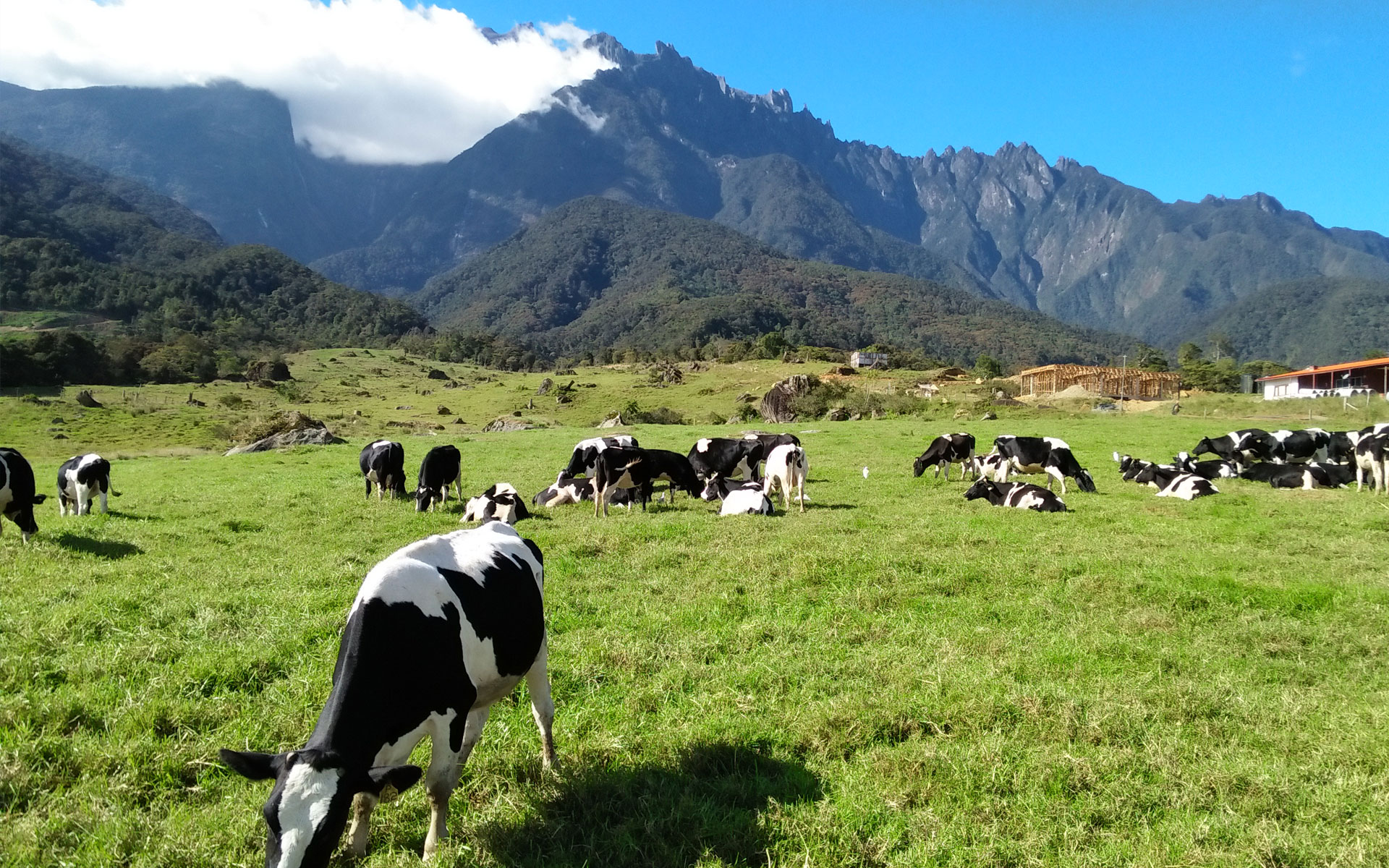
Long before you reach the granite summit plateau, Mount Kinabalu reveals itself as something far more than just a peak to climb. Kinabalu Park, which surrounds the mountain, was designated a UNESCO World Heritage Site in 2000, recognised for containing one of the most extraordinary concentrations of plant and animal species found anywhere on the planet.
Why Kinabalu Park Is So Biodiverse
The park’s remarkable biodiversity comes down largely to elevation. Spanning from lowland tropical rainforest at the base to alpine meadows and bare rock near the summit, Kinabalu Park contains an enormous range of habitats within a relatively compact area. As you climb, you pass through distinct vegetation zones, each supporting different plant and animal communities adapted to that particular altitude and climate.
The Famous Pitcher Plants
Among the most well-known residents of Kinabalu Park are its carnivorous pitcher plants, several species of which are found nowhere else in the world. These remarkable plants have evolved modified leaves that form cup-shaped traps, luring insects with nectar before digesting them — a striking adaptation to the nutrient-poor mountain soils. Some of the largest pitcher plant species in the world are found on Kinabalu, with traps large enough to occasionally catch small animals.
Orchids in Extraordinary Numbers
Kinabalu Park is home to an exceptional number of orchid species, ranging from tiny, easily overlooked blooms to larger, more dramatic flowers. Many of these orchids are endemic, meaning they exist naturally only within this specific region. Botanists have documented an astonishing diversity here, making the park one of the most important sites in the world for orchid conservation and research.
Wildlife Along the Trail
While climbers are understandably focused on reaching the summit, the lower sections of the trail pass through forest that is home to a variety of wildlife. Birdwatchers in particular are drawn to Kinabalu Park for its mix of species, some found only in Borneo’s mountain forests. Smaller mammals, numerous insect species, and occasionally larger wildlife can be spotted by those who keep an eye on the surroundings rather than only the trail ahead.
The Changing Forest as You Ascend
One of the most fascinating aspects of the climb, from a natural history perspective, is watching the forest transform around you. The lush, tall rainforest near Timpohon Gate gradually gives way to montane forest with smaller, gnarled trees often draped in moss, then to stunted, wind-shaped vegetation as you approach the treeline. Above this, the landscape becomes increasingly bare — alpine meadows, scattered shrubs, and finally the granite rock of the summit zone, where only the hardiest plants survive.
Why This Matters for Climbers
Understanding the ecological significance of Kinabalu Park adds another dimension to the climb itself. The permit fees that make the climb possible directly support the conservation of this UNESCO-recognised ecosystem, and the strict guide requirements and trail management help minimise the impact of the thousands of climbers who visit each year. Staying on marked trails, not picking plants, and carrying out all rubbish are simple but important ways climbers can help protect this environment.
Beyond the Summit Trail
For those with time before or after their climb, Kinabalu Park Headquarters itself offers nature trails through lower-elevation rainforest, where many of the park’s plant and bird species can be observed at a relaxed pace without the demands of the summit climb. These trails are a worthwhile addition for anyone interested in the park’s natural history but not necessarily attempting the full ascent.
Final Thoughts
Mount Kinabalu is often discussed purely in terms of its challenge as a climb — the elevation, the early starts, the summit sunrise. But the mountain and the park that surrounds it represent something equally remarkable from a natural history perspective: a living catalogue of adaptation, from carnivorous plants to forests that change character with every few hundred metres of elevation. Taking a moment to appreciate this context adds real depth to the experience of climbing through it.