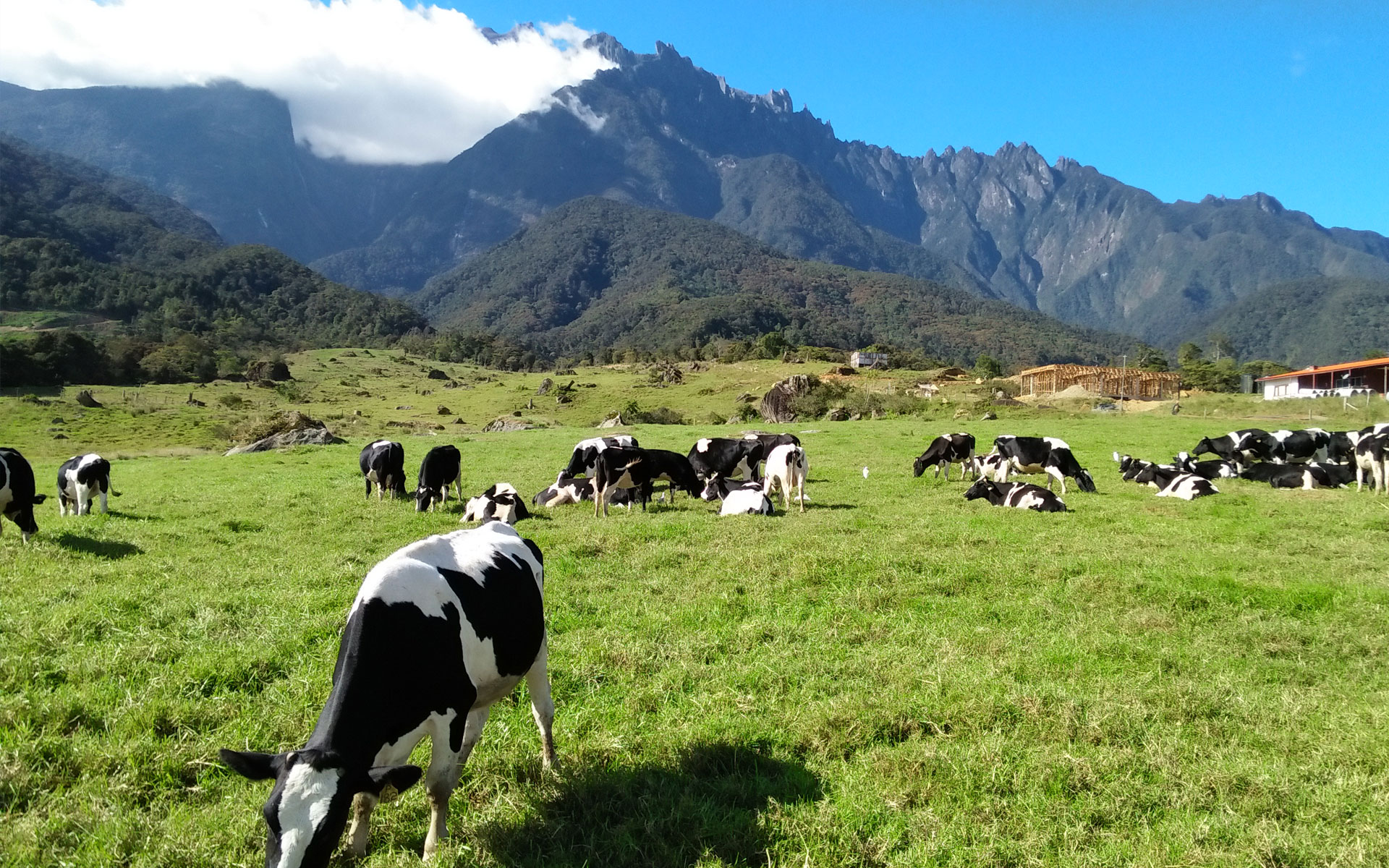
At 4,095 metres, Mount Kinabalu is high enough that altitude-related symptoms are a genuine consideration for every climber — not just those who are unfit. Understanding what altitude sickness looks like, how to reduce your risk, and what to do if it happens is an important part of preparing for your climb.
What Causes Altitude Sickness?
As you ascend, the air contains progressively less oxygen. Most climbers will notice some effects above roughly 2,500 to 3,000 metres — right around the elevation of Laban Rata (3,272m), where most climbers spend the night before their summit attempt. Acute Mountain Sickness, commonly called AMS, occurs when the body has not had enough time to adjust to this reduced oxygen availability.
Common Symptoms
- Headache, often described as a dull, persistent ache
- Nausea or loss of appetite
- Fatigue beyond what would be expected from the physical exertion alone
- Dizziness or a feeling of light-headedness
- Difficulty sleeping at Laban Rata, even when tired
- Shortness of breath that feels disproportionate to the effort
Mild symptoms like these are relatively common and do not necessarily mean you cannot continue. However, more serious symptoms — such as confusion, loss of coordination, or breathlessness even at rest — are signs that descending is necessary, and your guide will be trained to recognise these warning signs.
Why a 3D2N Itinerary Helps
One of the most effective ways to reduce the risk of AMS is simply giving your body more time to acclimatise. A 3D2N itinerary that includes an extra night at Kinabalu Park Headquarters (1,866m) before beginning the ascent allows your body to start adjusting to altitude gradually, rather than gaining over 1,400 metres of elevation in a single push on day one. Many climbers who have struggled on a 2D1N itinerary report a noticeably easier experience with the additional acclimatisation day.
Practical Prevention Tips
- Hydrate well in the days leading up to your climb, not just during it — aim for at least 2 to 3 litres of water per day while on the mountain
- Avoid alcohol the night before and during your climb, as it contributes to dehydration and can mask early symptoms
- Ascend at a steady pace rather than rushing — your guide will set a sustainable rhythm, often referred to as climber’s pace
- Eat enough, even if your appetite decreases at altitude — your body needs the energy
- Get proper rest at Laban Rata before the 2am summit push, even if sleep does not come easily
What to Do If You Experience Symptoms
The single most important rule with altitude sickness is to tell your guide as soon as you notice symptoms — do not try to push through silently. Mild headaches and nausea are common and your guide will know how to help you manage them, often by slowing the pace, ensuring you are drinking enough water, and monitoring how you feel as you continue.
If symptoms become more severe, the appropriate response is to descend to a lower altitude, where symptoms typically improve quickly. This is precisely why every climber is accompanied by a certified guide — they are trained to make this call and to communicate with the park headquarters via radio if assistance is needed.
Who Is More at Risk?
Altitude sickness does not discriminate based on fitness level — a very fit person can experience AMS while a less fit person may not, and vice versa. Factors that can increase risk include ascending too quickly, dehydration, lack of sleep before the climb, and in some cases, individual physiological differences that are difficult to predict in advance. This unpredictability is exactly why prevention measures like proper acclimatisation, hydration, and pacing matter for everyone, regardless of how fit you feel.
Final Thoughts
Altitude sickness is a normal part of climbing any mountain of this height, and mild symptoms are common and manageable. With sensible preparation — good hydration, a steady pace, adequate rest, and ideally an extra acclimatisation day — the vast majority of climbers reach the summit without significant issues. The key is simply being aware, listening to your body, and trusting your guide’s experience if anything feels off.