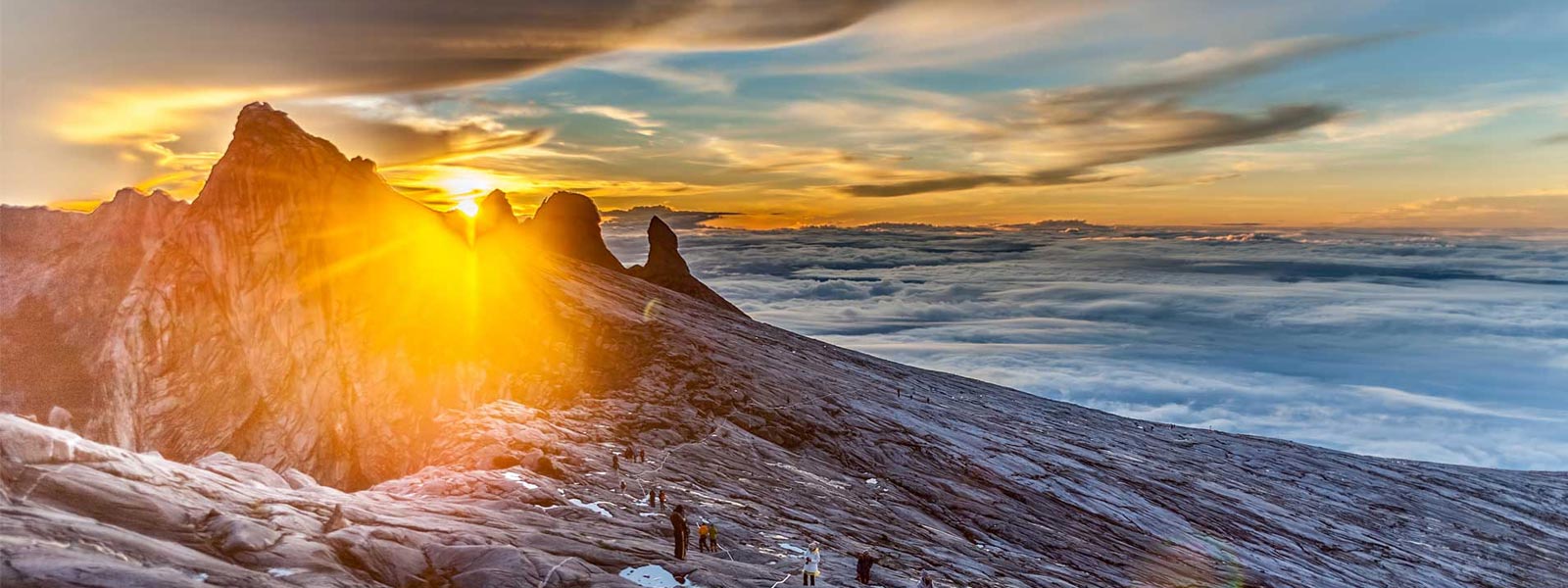
Unlike many mountains around the world, you cannot simply turn up at the base of Mount Kinabalu and start climbing. Every climber must hold a valid permit issued by Sabah Parks, and the number of permits available each day is strictly limited. Understanding how this system works is one of the most important parts of planning your trip.
Why Permits Are Limited
Sabah Parks caps the number of climbers allowed on the mountain each day across all routes combined. This limit exists to protect the fragile alpine ecosystem near the summit, manage congestion on the trail, and ensure that accommodation at Laban Rata and the surrounding huts is not overbooked. On popular dates, particularly weekends and school holidays, permits can be fully booked weeks or even months in advance.
What a Permit Includes
A Mount Kinabalu climbing permit typically covers entry to Kinabalu Park, the climbing permit fee itself, and a compulsory certified mountain guide. Solo climbing without a guide is not permitted under any circumstances — every climber must be accompanied by a Sabah Parks-registered guide, who will also carry a walkie-talkie for safety communication with the park headquarters.
How Booking Works
In practice, most climbers do not deal directly with Sabah Parks for permits. Instead, registered tour operators handle the permit application as part of a package booking, since operators have allocations and established booking relationships with the park authority. When you book a climbing package, your permit, guide, and Laban Rata accommodation are typically arranged together as part of the same booking.
This is one of the main reasons advance booking matters so much — it is not just about securing a hotel room, it is about securing one of a limited number of daily permit slots.
Documents You Will Need
- A valid passport or government-issued identification, presented at registration at Kinabalu Park Headquarters
- Your booking confirmation or voucher from your tour operator
- Travel insurance details (recommended, and required by some operators)
Age and Health Considerations
Climbers are generally required to be at least 10 years old, and those over a certain age (commonly around 60) or with pre-existing medical conditions may be asked to provide a doctor’s note confirming fitness to climb. This is a safety measure given the altitude and physical demands of the trek, and operators can advise on specific requirements at the time of booking.
What Happens If Permits Are Fully Booked?
If your preferred date is unavailable, your options are generally to choose a different date, join a waiting list in case of cancellations, or consider a midweek date, which tends to have better availability than weekends. Flexibility with dates is one of the simplest ways to avoid disappointment, especially during the March to September dry season when demand is highest.
Booking Timeline Recommendations
| Travel Period | Recommended Booking Lead Time |
|---|---|
| Weekday, off-peak season | 2 to 3 weeks ahead |
| Weekend, off-peak season | 3 to 4 weeks ahead |
| Any day, school holidays / peak season | 2 to 3 months ahead |
Final Thoughts
The permit system is what makes Mount Kinabalu one of the more tightly managed climbing experiences in Southeast Asia — and while that means booking ahead is essential, it also means the trail never feels overcrowded, the guides are genuinely knowledgeable about the mountain, and the alpine environment near the summit remains as pristine as it has been for generations of climbers before you.