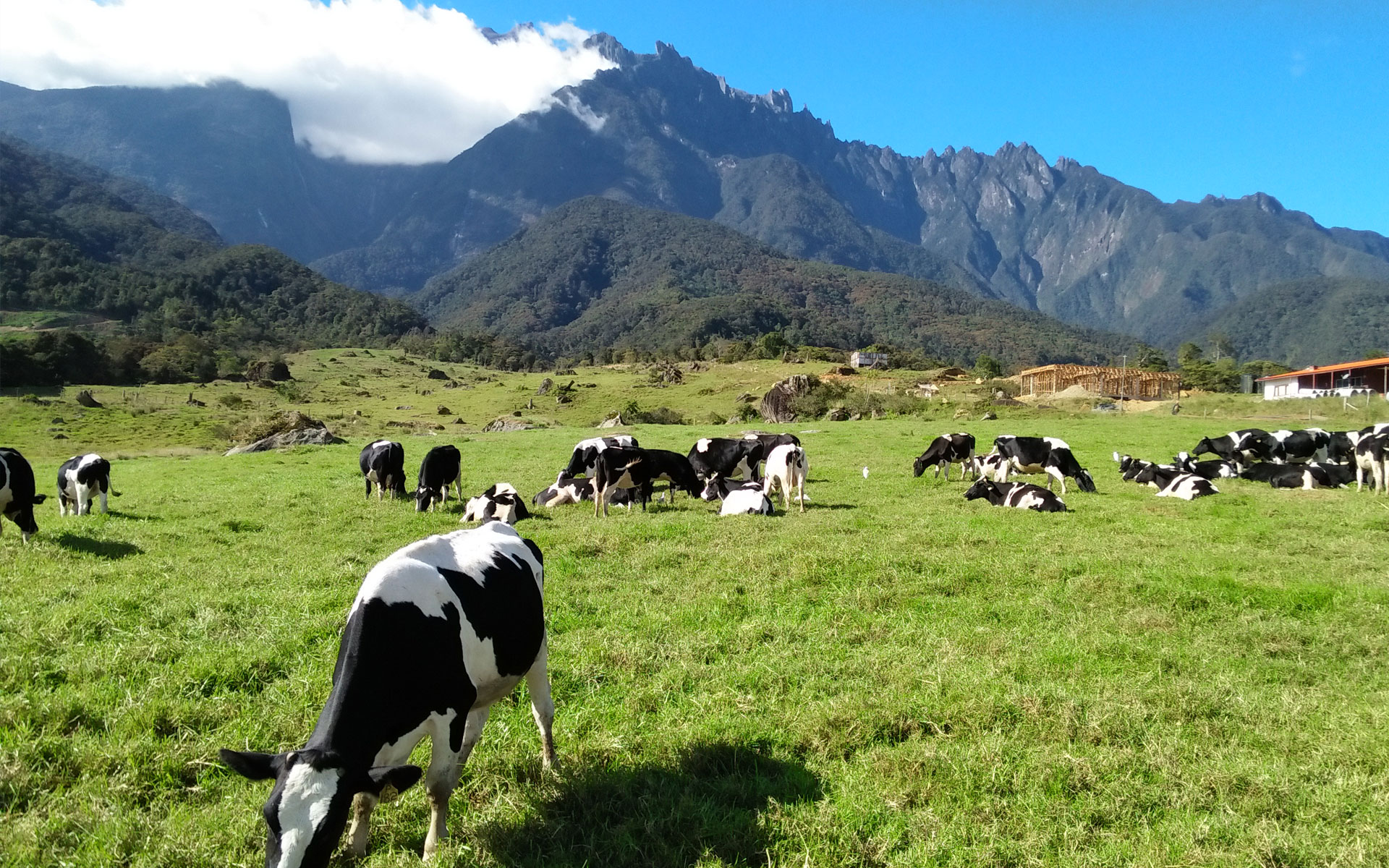
Mount Kinabalu can be climbed year-round, and Sabah’s equatorial location means temperatures at the base of the mountain stay fairly consistent throughout the year. However, rainfall patterns shift noticeably across the seasons, and this can affect trail conditions, visibility from the summit, and the overall comfort of your climb. Here is what to expect at different times of year.
The General Climate on Kinabalu
As you ascend, temperatures drop steadily — roughly 6 to 7 degrees Celsius for every 1,000 metres of elevation gain. While Kota Kinabalu at sea level might be a warm 28 to 32 degrees, Laban Rata at 3,272m is typically a cool 10 to 15 degrees, and the summit area before sunrise can fall to between 2 and 10 degrees, often with a biting wind. This means that regardless of when you climb, you should pack warm layers for the summit push.
March to September: The Drier Months
Generally, the period from March through to September tends to bring drier conditions and more stable weather, which translates to better visibility at the summit and a higher chance of catching a clear sunrise above the clouds. Trails are typically less slippery during this period, which can make both the ascent and descent more comfortable.
This is also peak climbing season, so popular dates — particularly weekends and school holidays — can be booked out weeks or even months in advance due to the limited number of climbing permits issued by Sabah Parks each day. If you are planning to climb during these months, early booking is strongly recommended.
October to February: The Wetter Months
The latter part of the year tends to bring more frequent rainfall, particularly in the afternoons. This does not mean the mountain is unclimbable — many climbers successfully summit during this period — but it does mean you should be prepared for wet trail conditions, mist, and a higher chance of cloud cover obscuring the summit views.
On the upside, this period often has more availability for permits and accommodation, and the lush, misty rainforest scenery on the lower slopes can be especially atmospheric. If you do not mind the possibility of rain, climbing during this period can mean a quieter trail with fewer fellow climbers.
Choosing Based on Your Priorities
| Priority | Recommendation |
|---|---|
| Best chance of clear sunrise | March to September |
| Easier permit availability | October to February (weekdays) |
| Fewer crowds on the trail | Weekday climbs, any season |
| Lush, misty rainforest scenery | Wetter months |
Time of Day Matters as Much as Time of Year
Regardless of season, the early morning hours consistently offer the clearest views. This is why the summit push begins around 2am — not only to catch the sunrise, but because cloud cover tends to build up over the mountain as the day progresses. By mid-morning, the summit area is often blanketed in cloud even on otherwise clear days, which is part of why the early start is non-negotiable for most operators.
Booking in Advance, Whatever the Season
Sabah Parks issues a limited number of climbing permits each day across all routes, which means demand regularly exceeds availability — especially for weekend dates in the drier months. Booking your preferred dates at least 2 to 4 weeks ahead is recommended, and for peak periods such as school holidays, 2 to 3 months ahead is safer.
Final Thoughts
There is no single “best” month to climb Mount Kinabalu — it depends on whether you prioritise clear views, availability, or atmosphere. What matters most is being prepared for a range of conditions: pack for rain, pack for cold, and bring a sense of flexibility. Many climbers who set out under cloudy skies have still been rewarded with a clear summit at sunrise, simply because conditions on the mountain can change quickly and unpredictably at altitude.