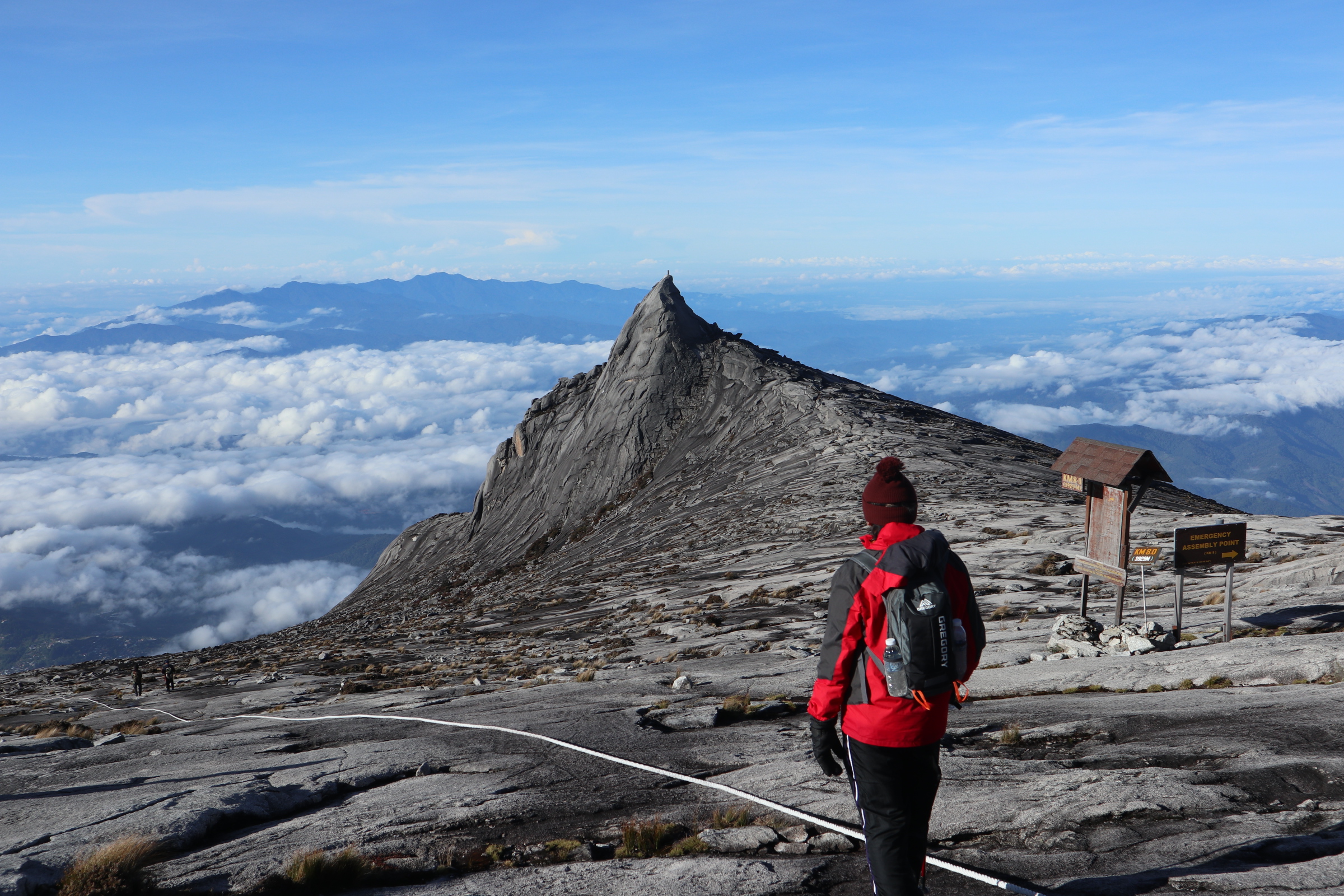
Climbing Mount Kinabalu is one of the most rewarding adventures in Southeast Asia, but reaching Low’s Peak at 4,095 metres takes more than enthusiasm. The good news is that you do not need to be an elite athlete — with the right preparation, most people in reasonable health can complete the climb comfortably and safely.
Why Fitness Preparation Matters
The standard route covers roughly 8.7 kilometres one way from Timpohon Gate to Low’s Peak, with a total elevation gain of around 2,200 metres. While the trail itself does not require technical climbing skills or ropes, the combination of distance, steep stone steps, and high altitude makes cardiovascular fitness and leg strength essential. Climbers who arrive unprepared often find the descent — not the ascent — to be the most physically demanding part of the trip, as it places significant strain on the knees and quads.
Start Training 4 to 6 Weeks Before Your Climb
A consistent training routine in the weeks leading up to your trip will make a noticeable difference to your experience on the mountain. Focus on three areas: cardiovascular endurance, leg strength, and time on your feet.
1. Cardiovascular Endurance
Activities such as brisk walking, jogging, cycling, or swimming for 30 to 45 minutes, three to four times a week, will build the stamina needed for a 5 to 7 hour ascent. If you have access to a treadmill, practising on an incline setting closely mimics the sustained uphill effort of the Kinabalu trail.
2. Leg and Core Strength
Squats, lunges, step-ups, and calf raises strengthen the muscles that absorb the most impact on the steep sections and stone staircases. Building a stronger core also helps with balance when navigating uneven terrain, particularly on the descent when fatigue sets in.
3. Stair Climbing
If there is one exercise that best simulates the Kinabalu trail, it is stair climbing. Find a tall building, stadium, or hiking trail with steps and practise ascending and descending repeatedly. This trains your muscles for the specific repetitive motion you will encounter on summit day, and helps condition your knees for the long descent.
Practice Hikes
If you live near hills or nature trails, try to complete at least two or three practice hikes of 2 to 4 hours before your trip, ideally while wearing the same boots and backpack you plan to bring. This helps break in your footwear, identifies any gear issues in advance, and gives you a realistic sense of your pace on inclines.
Acclimatisation on the Mountain
Even climbers in excellent shape can be affected by altitude, since the air at Laban Rata (3,272m) and the summit contains noticeably less oxygen than at sea level. This is one reason many climbers choose a 3D2N itinerary that includes an extra night at Kinabalu Park Headquarters (1,866m) before the ascent begins. The additional time allows your body to begin adjusting to elevation gradually, which can make a real difference to how you feel on summit morning.
On Climb Day: Pace Yourself
One of the most common mistakes climbers make is starting too fast. The guides who lead groups up Kinabalu every week recommend a slow, steady pace — often described as “climber’s pace” — where you maintain a rhythm you could sustain for hours rather than minutes. Frequent short breaks to drink water and catch your breath are far more effective than long stops that let your muscles cool down and stiffen.
Final Tips
- Stay hydrated in the days before your climb, not just during it.
- Get a good night’s sleep before arriving at Kinabalu Park — the early 2am summit wake-up call is much easier after proper rest the night before.
- Trekking poles can significantly reduce strain on your knees during the descent.
- Listen to your guide. They climb this mountain regularly and know how to help you manage your pace and energy.
With a few weeks of focused preparation, climbing Mount Kinabalu becomes an achievable and unforgettable experience rather than an intimidating one. Whether you choose a standard 2D1N summit climb or a more relaxed 3D2N itinerary with extra acclimatisation time, the effort you put into training beforehand pays off the moment you watch the sunrise break over the clouds from the roof of Borneo.